Industrial Machine Parts by Type
We organize our parts catalog by machine type so you can go straight to the equipment you operate instead of searching through listings built for a different kind of machine. Whether you run scissor lifts, boom lifts, telehandlers, pallet jacks, tractors, or sweepers and scrubbers, we stock the components each of these machines needs to keep working. Select your equipment type below to see the parts we carry for it.
Why Machine Type Matters When Ordering Parts
A hydraulic cylinder built for a scissor lift platform is not built the same way as one for a telehandler boom, even though both machines lift and extend. Load ratings, mounting points, and hydraulic pressure specifications differ by machine category, and ordering by general part name instead of machine type is one of the most common ways to end up with a component that does not fit. Sorting our catalog by equipment type means every part listed under a category was built or sourced specifically for that machine, not adapted from a different one.

Boomlift Parts

Electric Pallet Jack Parts
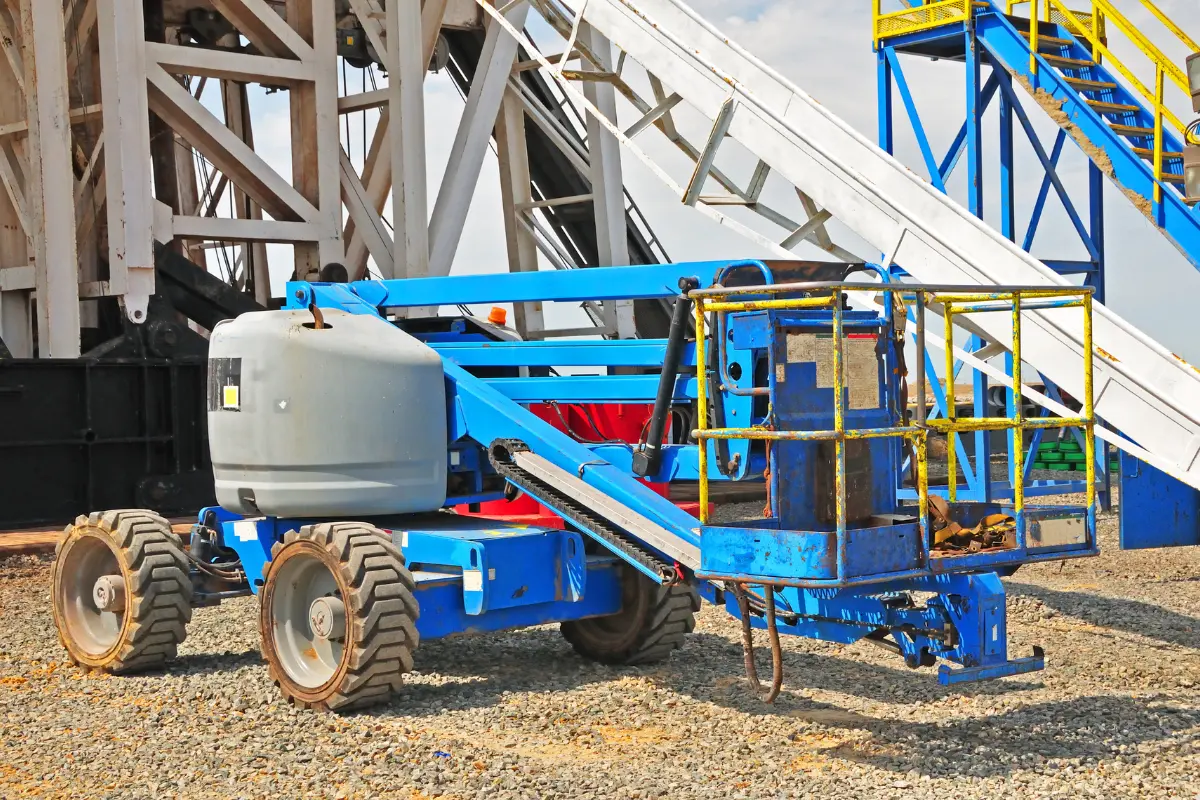
Manlift Parts
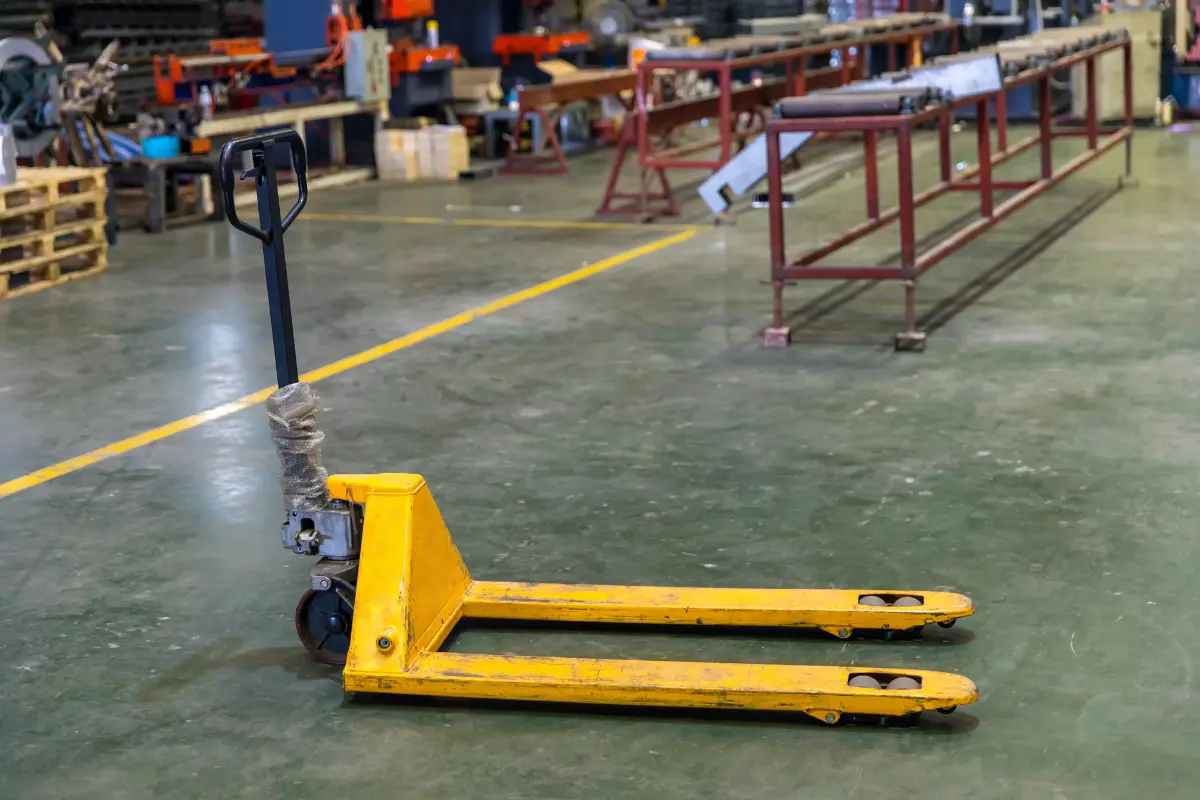
Manual Pallet Jack Parts

Scissor Lift Parts
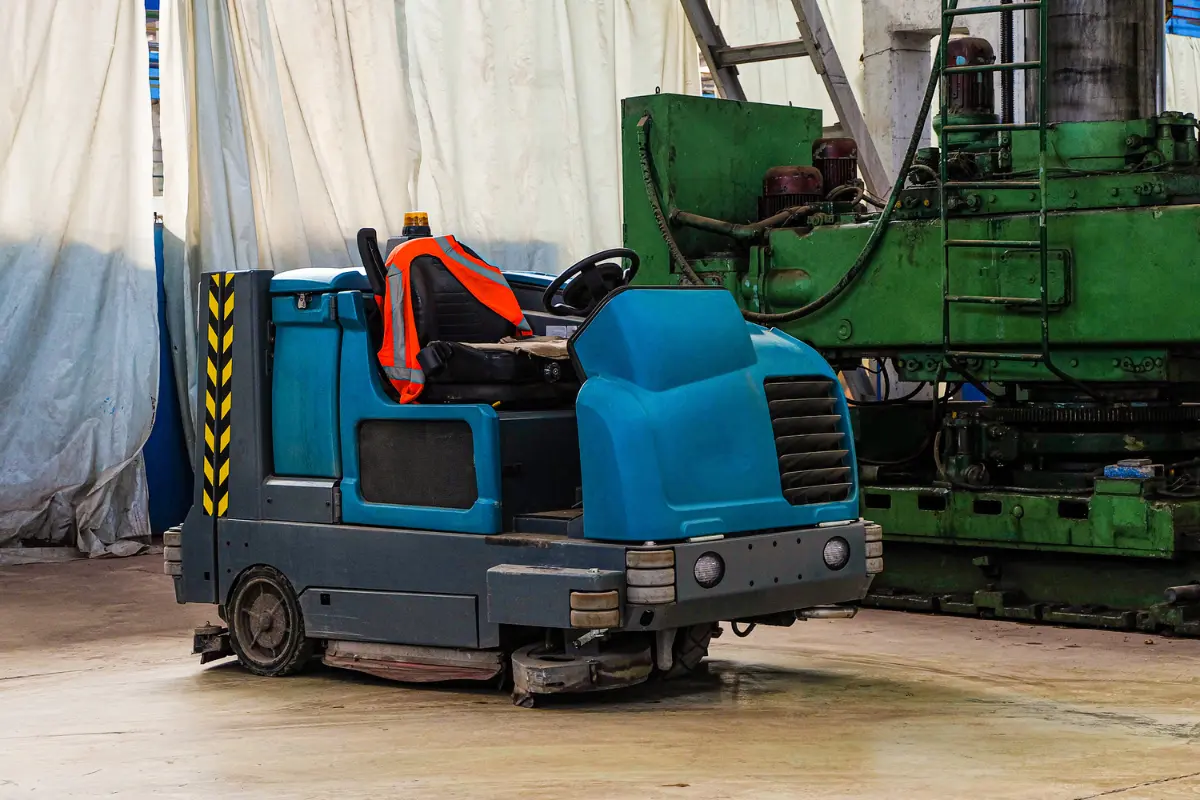
Sweeper and Scrubber Parts
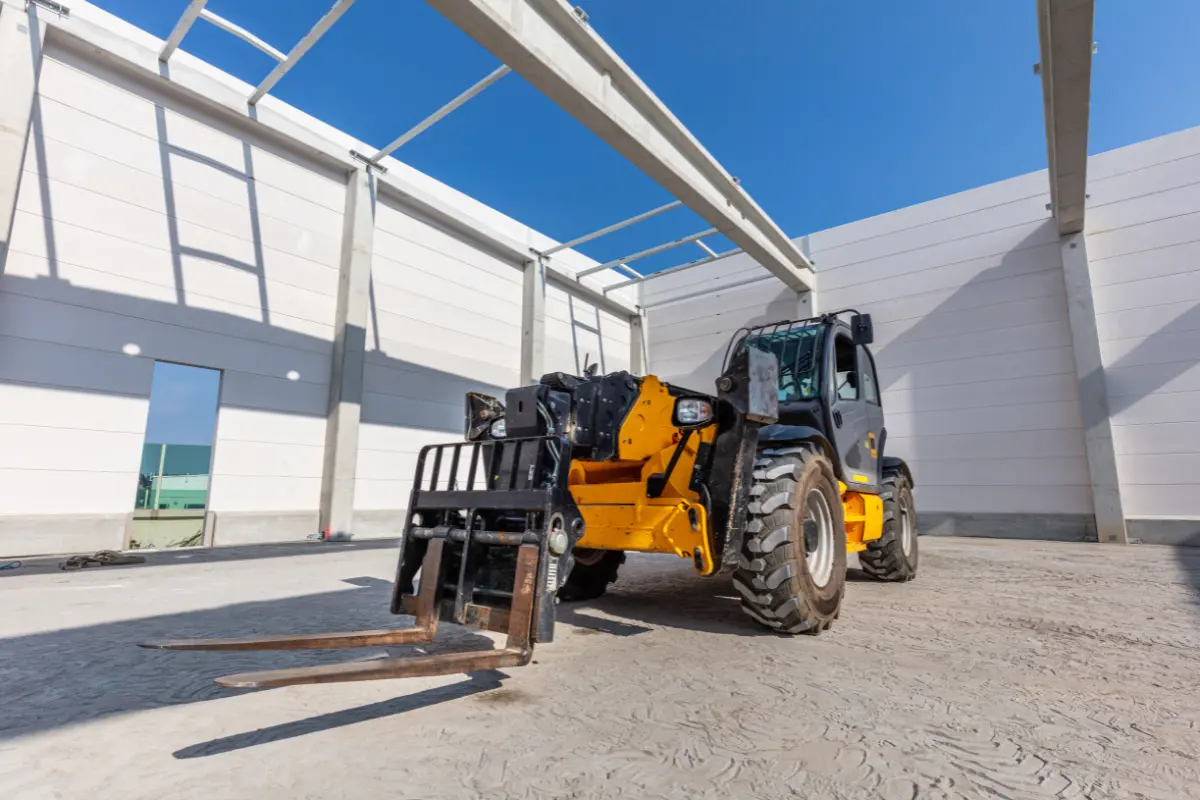
Telehandler Parts

Tractor Parts
Your Trusted Source for Industrial Machine Parts
When equipment fails, you need reliable parts to get back on track. In the demanding world of industrial machinery, we deliver high-quality components for tractors, forklifts, boom lifts, skid steers, telehandlers, pallet jacks, sweepers, and more. Our mission is simple: provide the right parts with exceptional service to keep your operations running smoothly.
We offer a wide range of parts, from heavy-duty forklift components to precision pieces for aerial platforms. Each part is sourced directly from trusted manufacturers, meeting strict industry standards for durability and performance. Whether you’re a small shop or a large manufacturer, our OEM and aftermarket parts deliver the quality and value you need to keep your machines running.
Find the Parts You Need, Fast
Downtime hurts your bottom line. That’s why we’ve made finding parts quick and straightforward.
Need assistance? Our experienced specialists are ready to help, guiding you to the exact part for your equipment. Our extensive supplier network gives us access to parts for both common and hard-to-find models, ensuring you get the component you need without delay.
Having your machine’s model number and serial number ready before you order makes it much easier for us to confirm the correct part on the first try. This information is usually found on a data plate on the machine frame or near the operator controls, and it tells us the specific configuration of your unit, since machines in the same category can use different parts depending on year, capacity, and manufacturer. If you’re unsure which part you need, our specialists can review your machine’s information and confirm the right component before you order.
A Partner Committed to Your Success
We’re more than just a parts supplier, we’re invested in your success. Our team takes the time to understand your unique needs, offering tailored solutions to keep your equipment performing at its best.
With deep expertise in industrial machinery, we provide reliable support and answers you can trust. Many businesses rely on us and our elite customer satisfaction rate proves we deliver results time and time again.
SHOP FOR PARTS TODAY
Don’t let a missing part slow you down. Browse our online catalog now to find the components you need with ease.
Can’t find the right part? Contact us, and we’ll source it for you.
Keep your machines running strong—shop with us today and see why we’re the trusted choice for industrial parts.
Frequently Asked Questions
How do I know if my hydraulic cylinder needs a full replacement or just a seal kit?
If your lift is losing height slowly after being raised, or moving slower than it used to, the seals inside the cylinder have likely worn out and a seal kit can often fix the issue without replacing the whole cylinder. If the cylinder rod is scored, bent, or the housing is cracked, a full replacement is usually the better and safer option. We can help you figure out which situation you’re in if you describe what the machine is doing.
What's the difference between parts for a boom lift and parts for a telehandler, since both extend a boom?
Boom lifts are built to lift a person or small load in a platform basket, while telehandlers are built to lift and move heavier palletized loads on forks or attachments. This means telehandler booms and hydraulic systems are rated for higher loads at extension than boom lift components, even when the machines look similar in size. Parts are not interchangeable between the two, even though the boom mechanism looks similar from a distance.
Can I keep using a manual pallet jack once the wheels start showing wear, or does that create a safety issue?
Worn wheels on a manual pallet jack usually show up first as harder steering or a jack that pulls to one side under load, and while this is more of a productivity issue than an immediate safety failure, it does put extra strain on the hydraulic pump and frame over time. Replacing wheels early is generally the lower-cost fix compared to waiting until the pump or frame is also affected.
Why does my electric pallet jack lose power faster than it used to, even though I'm charging it every night?
Batteries lose capacity over repeated charge cycles, and a battery that once held a full shift’s charge may start falling short as it ages, even with consistent nightly charging. If the controller is also cycling in and out or behaving inconsistently, that’s usually a separate issue from battery age and worth checking on its own. We can help determine whether it’s the battery, the controller, or both.
How often should scrubber filters be replaced to maintain suction performance?
Filter replacement intervals depend heavily on the type of debris and dust your facility generates, but a noticeable drop in suction or wet floors left behind after a pass are both signs the filter needs attention before the next scheduled service. Running a scrubber with a clogged filter also puts extra strain on the motor, so addressing it early protects more than just cleaning performance.
Do skid steer parts differ between wheeled and tracked models?
Yes, in several key areas. Tracked skid steers use track components, rollers, and drive components that wheeled models don’t need at all, while wheeled models rely on tires, wheel hubs, and axle components instead. Hydraulic and engine parts often overlap between the two types, but undercarriage and drive components are specific to whether your machine runs on tracks or wheels.
What's the most common reason a tractor hitch fails, and can it be repaired instead of replaced?